View
Post2026
Developing countries may face less AI-driven automation than richer economies, but that does not mean they are protected. The bigger risk is that AI transforms global competition faster than workers and firms can turn the technology into productivity gains.
Post2026
Nigerians are often described as entrepreneurial, resilient and hardworking. Yet enormous individual effort continues to produce far less national prosperity than it should. The deeper challenge is not a shortage of productive people, but the failure to build institutions, infrastructure and systems that allow their productivity to translate into sustained economic transformation.
Post2026
Technology research in Africa has often asked whether theories developed elsewhere can explain African realities. Perhaps the more interesting question is whether African ideas can help us understand technology differently. Concepts such as Ubuntu and Omoluwabi offer more than cultural context. They provide ways of thinking about knowledge, relationships, responsibility, trust and human agency that could enrich how we understand digital transformation, artificial intelligence and the future of work, in Africa and beyond.
Post2026
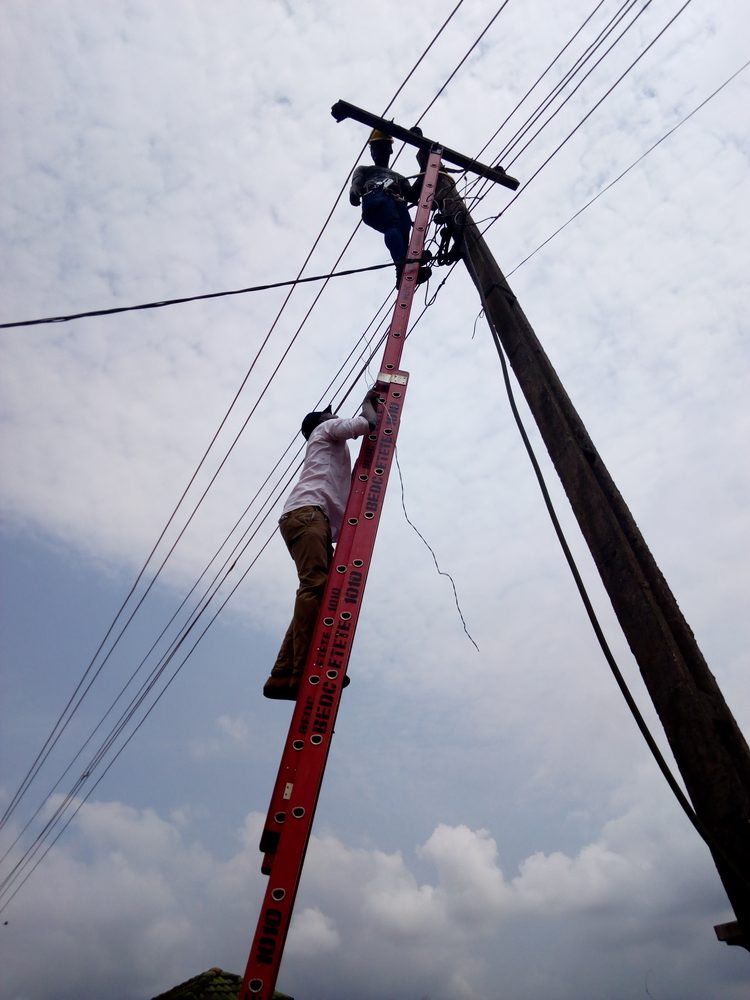
Resilience is often celebrated as one of the great strengths of people and businesses in developing economies. But there is a point at which resilience stops being an advantage and becomes a tax. When firms must constantly improvise around weak infrastructure, unreliable institutions and unpredictable systems, enormous amounts of human and financial capital are spent simply keeping things functioning. Development should reduce the amount of resilience people need for ordinary life.